Problematic
The current industrial and economic structure impedes the massive scalability of biobased materials, perpetuating a model that destroys natural resources, compromising the quality of life for future generations.
In-depth interviews
Cluster #1
‘’If one sells a sustainable idea and transports it in a truck that takes 3 days to arrive, it is not that sustainable’’
J. P. - owner of Biotanica
"I mean, you don't know what will happen when you throw that or how it will affect the future."
M. C. - Biodiversity Student
“There are certain residues
that those who have to take responsibility are not the consumer, but the producer”
C. P. - Industrial Designer
"The ideal situation would be to have a more critical view regarding the use of plastics, and on the other hand, to separate organic materials and give them an appropriate use"
C. R.- Industrial Design Student
"A consumer's decision is not just based on the economic aspect; many will not choose you for lowering a cost but also for the packaging, logistics, in this sense it is to validate
the idea."
J. P. - owner of Biotanica
Insight The traditional value chain of products is not transparent
Opportunity area Strengthen the confidence in the product's real sustainability
Cluster #2
"Many of our practices generate a lot of waste per day. I order takeout and there are about 4 small containers; I'm considering stopping the orders to not generate so much trash."
C. P.- Industrial Designer
“Pre-pandemic there was more interest in natural products and after the pandemic much more”
J. P. - Owner of Biotanica
"Yes, whenever I buy something plastic, I kind of hesitate and try to buy that product in a can, or in some fabric bag, as if it were packaged in a less polluting material."
J. G. - Philosophy student
"It's not something that, oh, I’m done, I throw it away, it’s no longer my problem. No, it remains your problem in how you use it and how you dispose of it."
M. C. - Biodiversity Student
Insight There are individual wills oriented towards change, but they lack collective articulation to enhance their impact.
"Mechanical recycling is used, but there is a cultural accompaniment: waste must be properly sorted, that is almost a social matter"
D. E. - Chemical Engineer and Dr. Conicet
"The complexity of this material is the leap in scale due to the investment costs required"
C. P. - Industrial Designer
"The focus needs to change; the bar owner should buy a machine, press the waste they have, and make their own plates. But there the machine is new, not the material."
C. P. - Industrial Designer
“This goes from the public structure to the citizens, when it is seen that nothing is done it generates a domino effect”
J. A. - Entrepreneur and ecologist
Insight The current sustainability depends on a chain of interconnected actors.
Opportunity area Articulate and coordinate the actions of the various stakeholders involved
Cluster #3
"Today, routes are being sought so that, from waste, you can obtain new materials."
D. E. - Chemical Engineer and Dr. Conicet
"The business model to make these materials profitable was not found"
C. P. - Industrial Designer
“To achieve a biomaterials project you need to enter a laboratory, you need to build a project, you need support.”
A. P. H - Bioartist
"I have proposed many projects that, if someone wants to implement them, are ready to use. But launching something like this requires a high investment"
C. P.- Industrial designer
"It's also a regulatory issue, the world is moving that way. There are many businesses in the polymer area that are falling apart."
D. E. - Chemical Engineer and Dr. Conicet
Insight The industry tends to rigidity because it operates under logics designed for the majority
Opportunity area Achieving an industry capable of integrating innovation without relying exclusively on rigid and massive models
Cluster #4
"Working with biomaterials forces you to focus more on demand and not scale production as much"
J. P. - Owner of Biotanica
“Molding and drying are the most contentious parts of the process. The drying time is very relative; it depends on humidity and climatic conditions.”
C. P. - Industrial Designer
"Biomaterials tell a story and show where they are from."
A. P. H - Bioartist
“The traditional, mainstream market does not offer any alternatives in terms of materials...
I believe that those issues can be found in more artisanal, less popular spaces.”
J. G. - Philosophy student
"We are working on a coffee waste recovery program to make compost, but everything is a logistical problem."
J. A. - Entrepreneur and ecologist
Insight The current production and consumption system does not adapt to biobased materials that have specific characteristics and must be treated particularly
Opportunity area Transform the system to integrate these new materials considering their particular requirements
Chosen and adjusted area of opportunity:
Reformulate the industrial paradigm to favor the incorporation of new materials, promoting the active participation of various social actors.
Design Challenge
How could we transform the industrial paradigm to incorporate new materials and social actors in the most rigid production sectors, taking into account the growing ecological transition and environmental urgency?
Industry today
Desired industry
Limited
Incomplete design
Conditional
Lack of ecological innovation
Lack of research on materials
Lack of infrastructure for new productions
Distributed
Comprehensive design
Conditioning
Innovation
Availability of information
Infrastructure for new productions
Opaque
Misinformation
Disinterest
Lack of knowledge about environmental impact
Greenwashing
Lack of recording of environmental impact
Transparent
Training
Commitment
Environmental education
Sincerity
Environmental impact record
Disconnected
Failures in production circuits
Disinformation
Lack of accessibility
Social disarticulation
Cooperative
Creation and reconditioning of productive circuits
Information
Accessibility
Social integration
Inaccessible
Lack of support for small producers
Lack of support for innovation
Research cost
Lack of structure
Instability
Accessible
Support for small producers
Tools for innovation
Democratization of knowledge
Infrastructure for entrepreneurs
Stability
Rigid
Malleable
Statement We want an industry that adapts and changes to the needs of people and the environment.
Concepts
Biobased materials incubator
Attribute: accessible
Characteristics: intuitive, facilitator
Sociotechnical relationship
Entrepreneurs
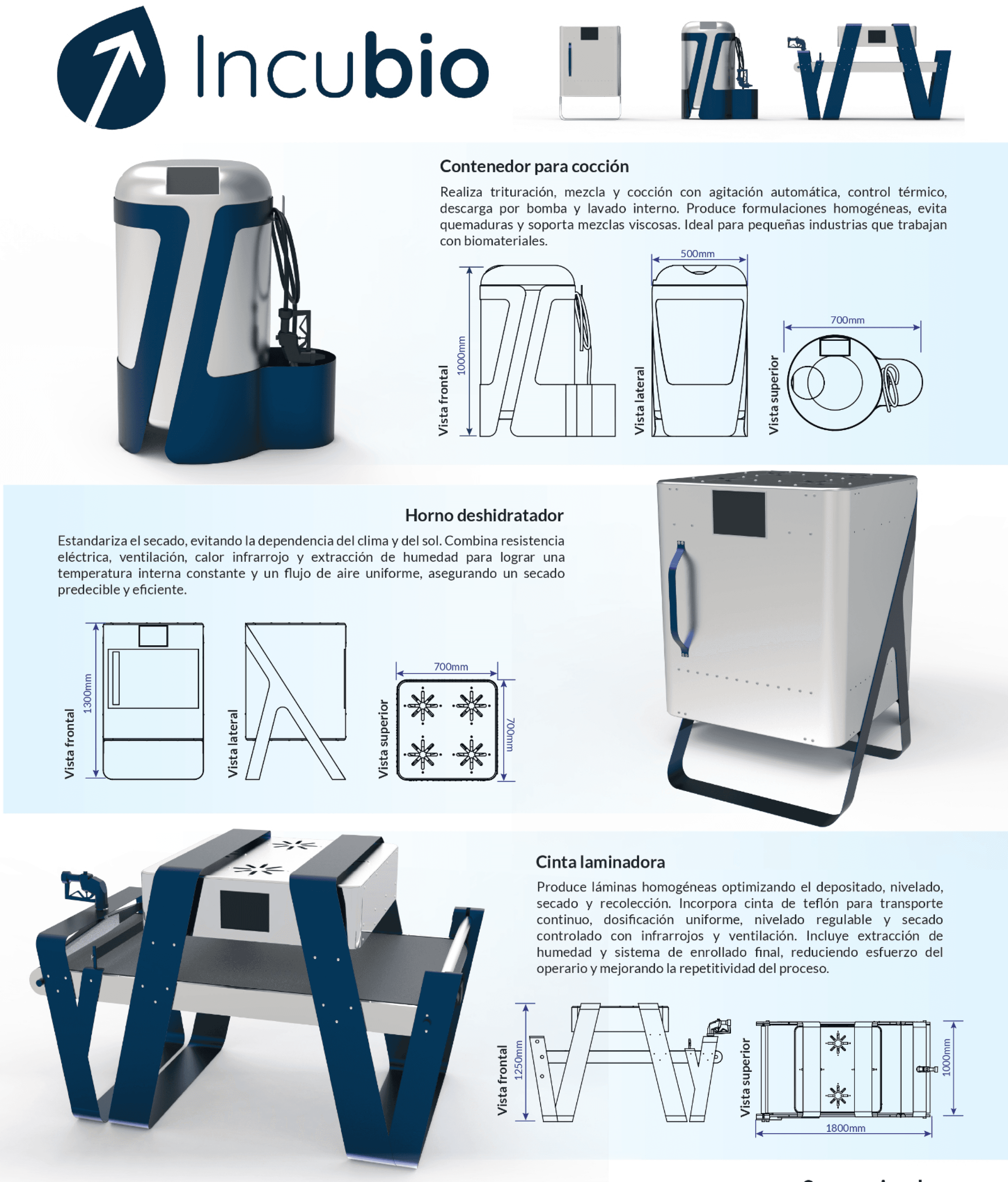
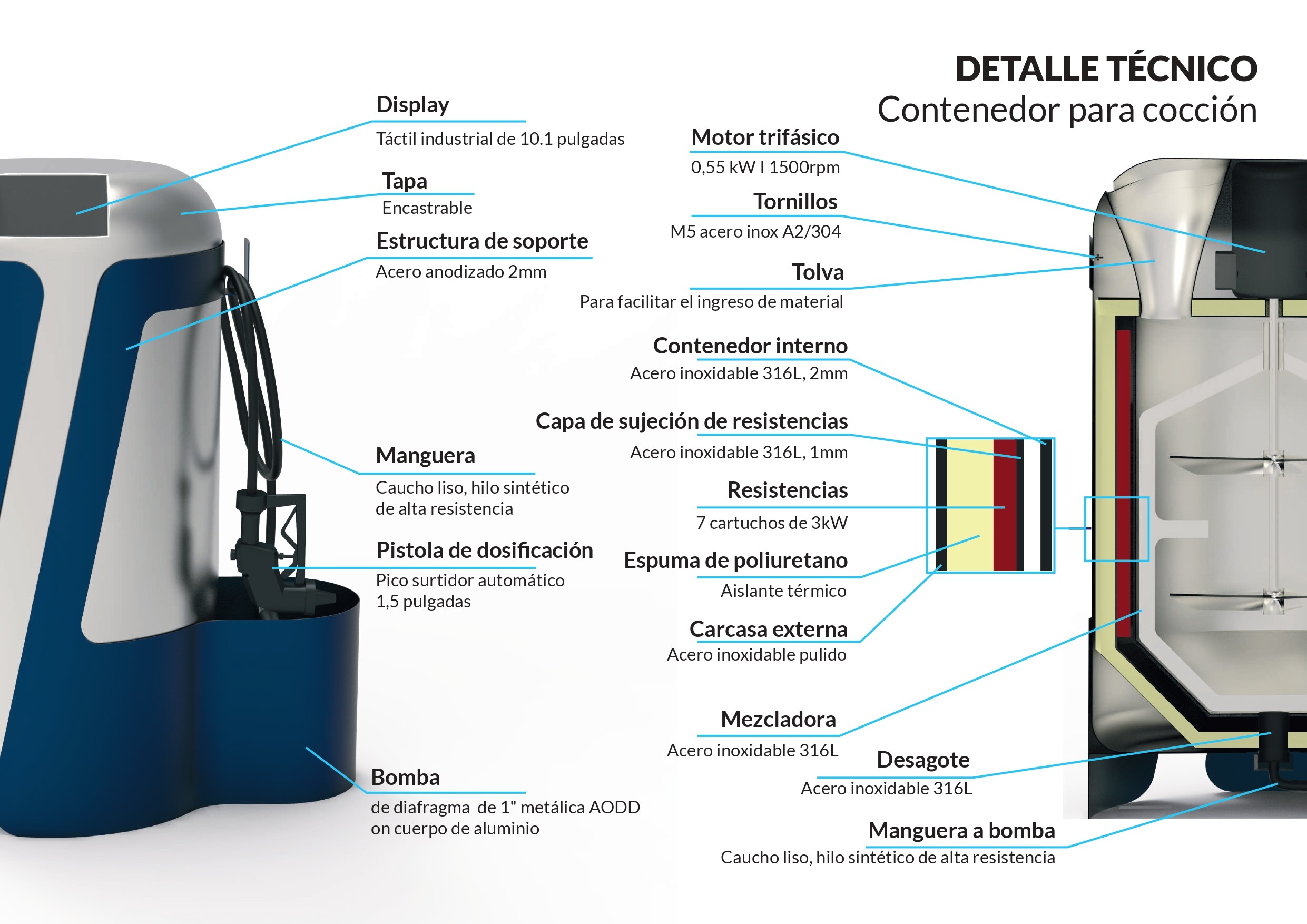
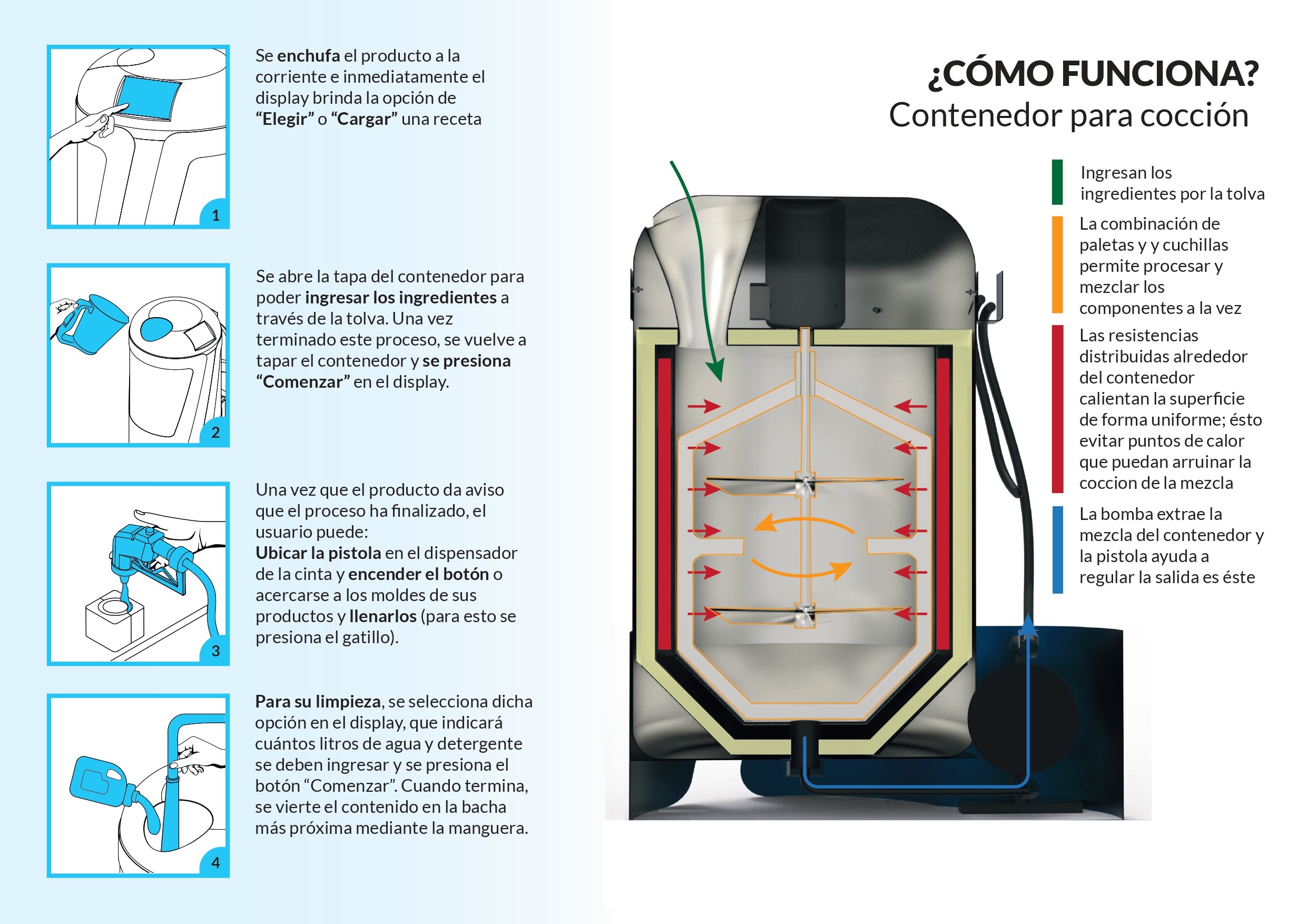
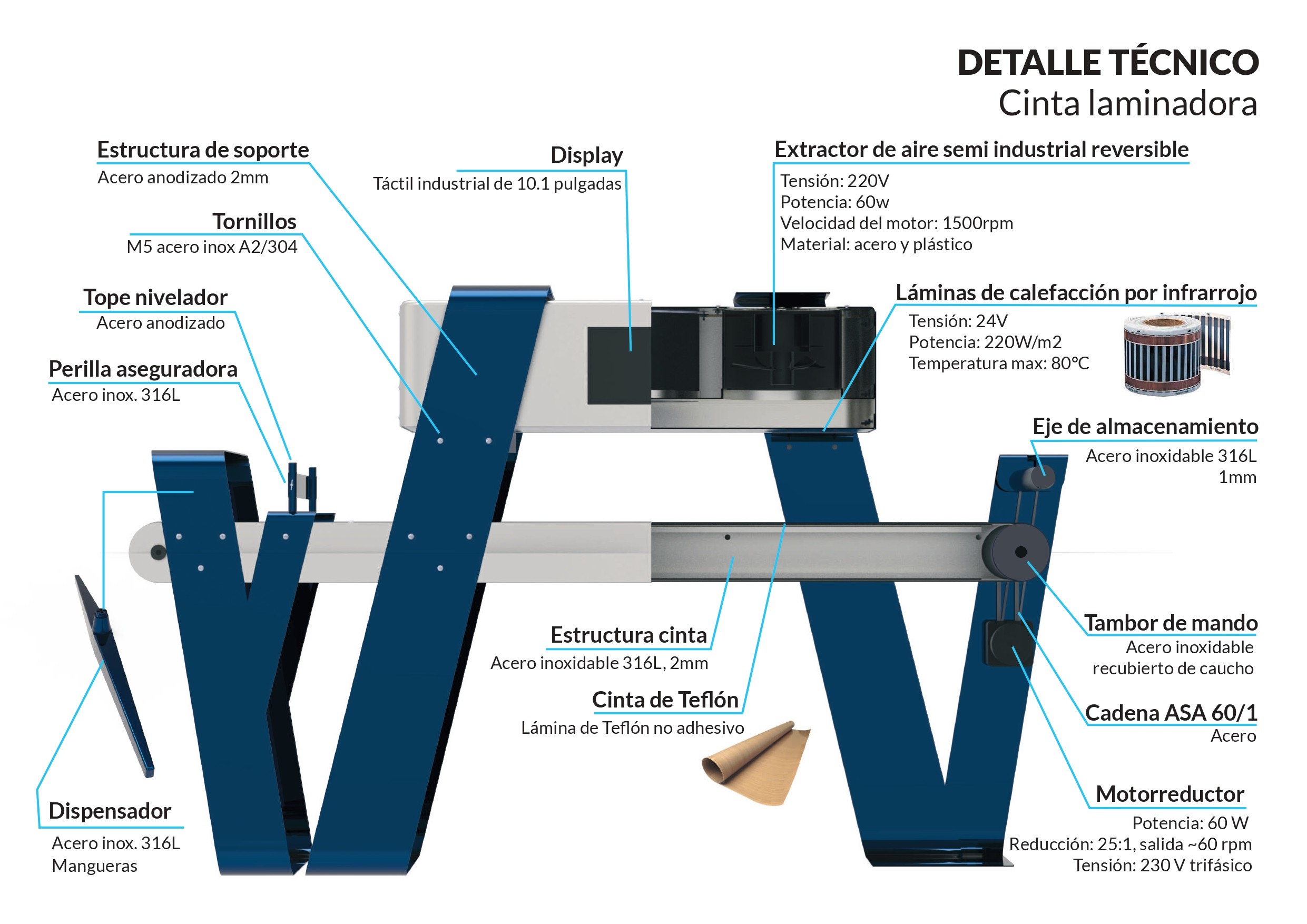
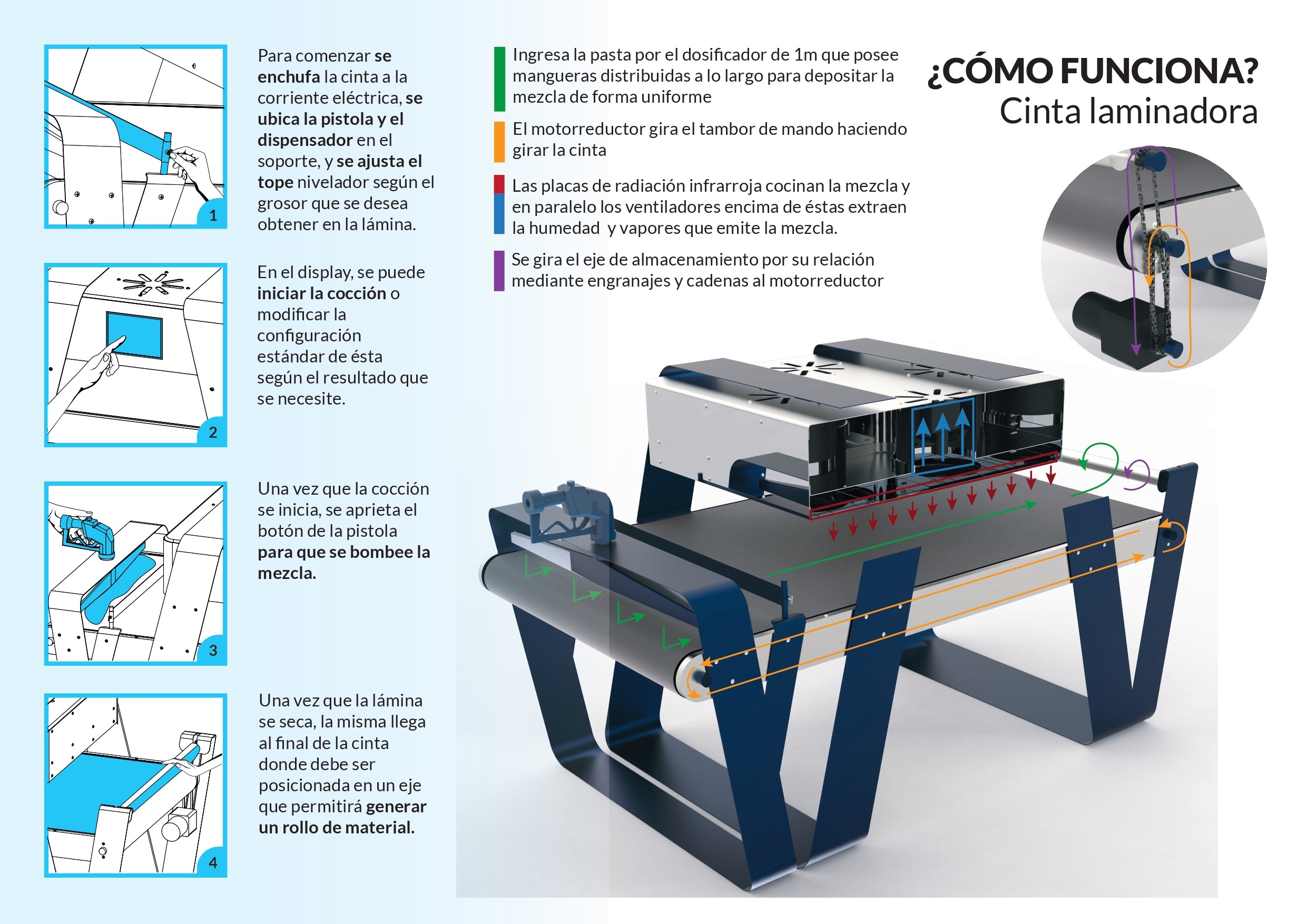
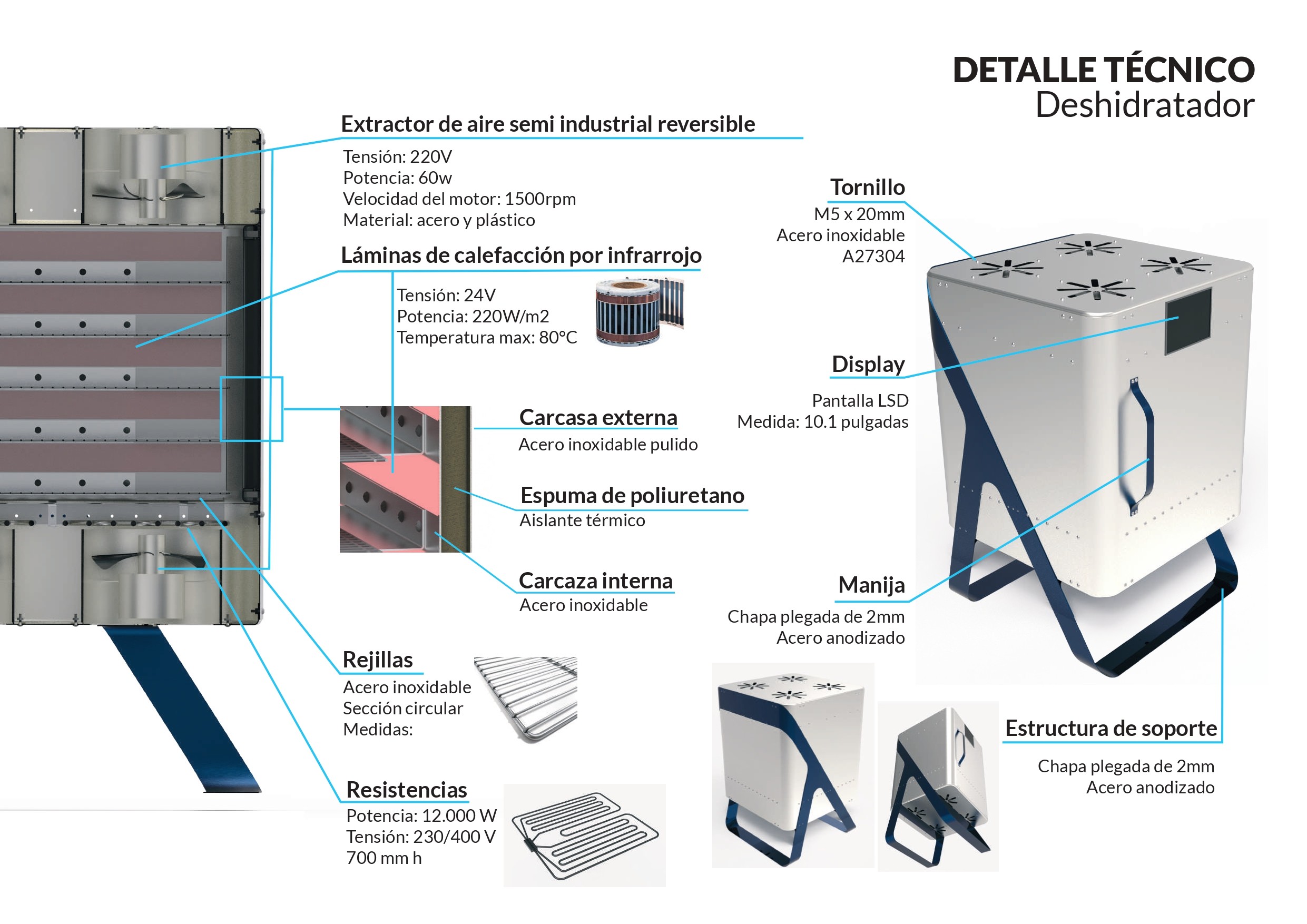
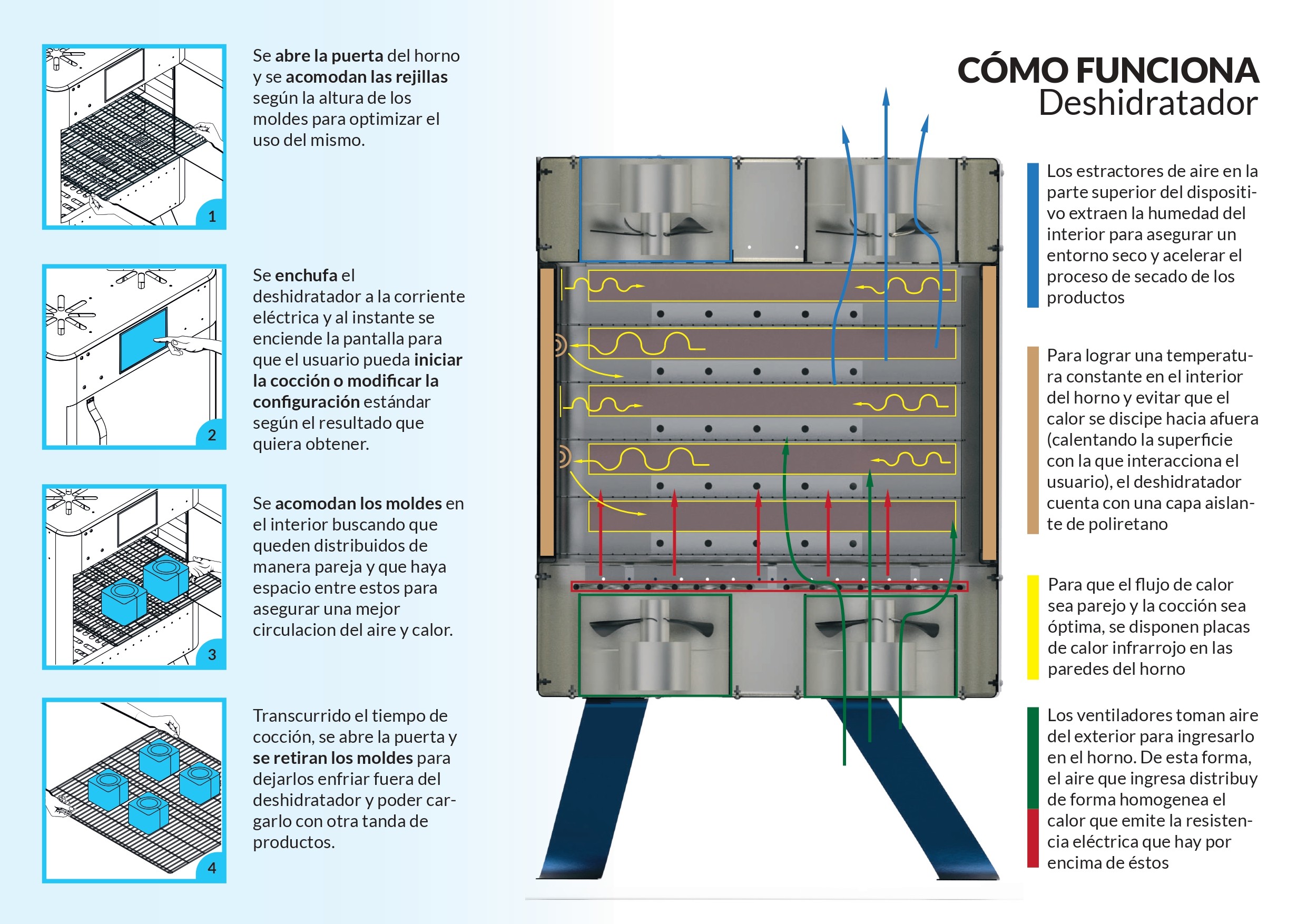
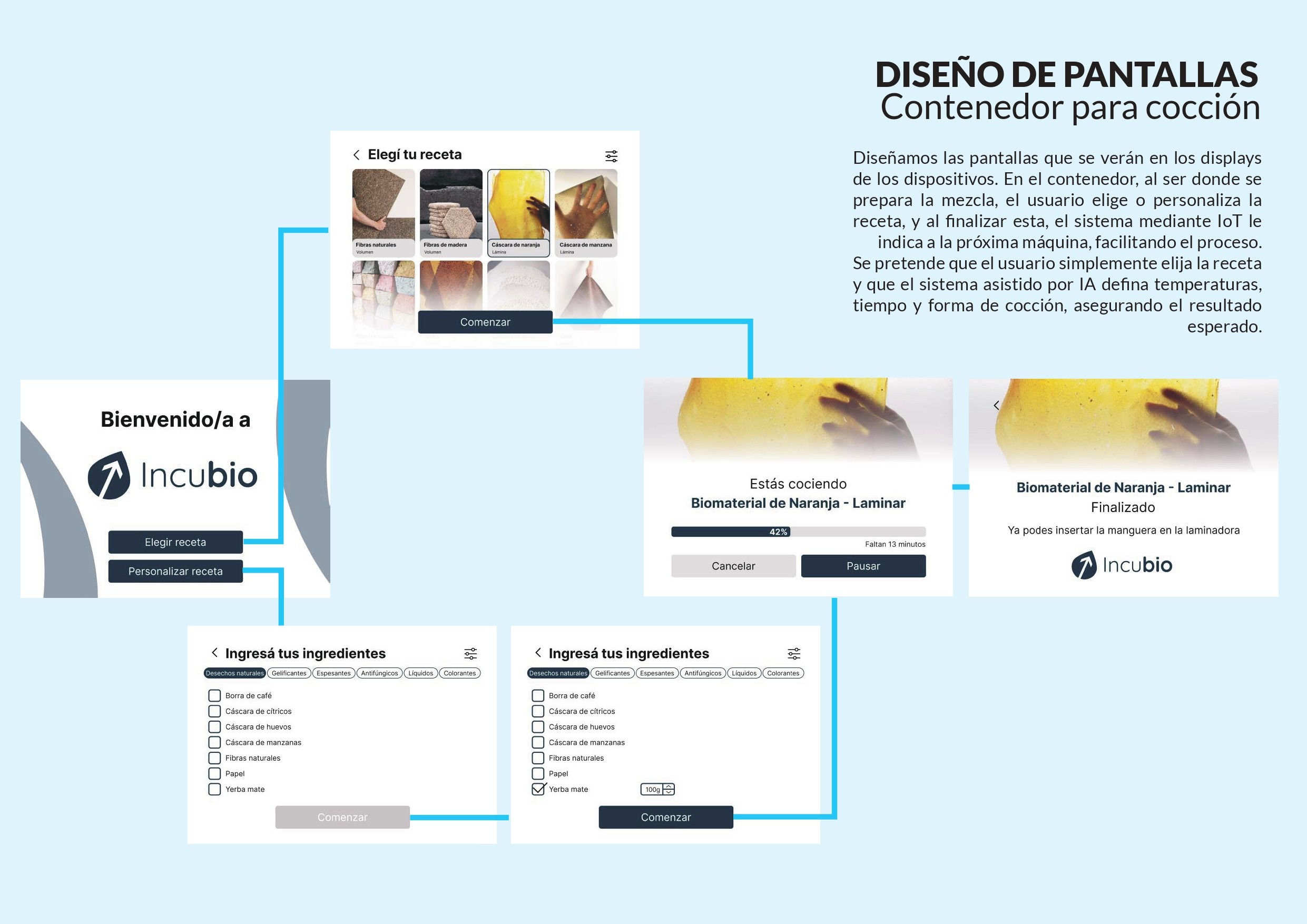
Device that facilitates the production of biobased materials in a semi-industrial/circular manner.
Transportable innovation laboratory
Attribute: Laptop
Features: Lightweight, Compact
Sociotechnical relationship
General public
Tools that allow knowledge, exploration, and experimentation with biobased materials.
Technology adapter
Attribute: versatile
Features: universal, standard, multi-purpose
Sociotechnical relationship
Industrial producers
Device that adapts existing machinery to produce biobased materials.
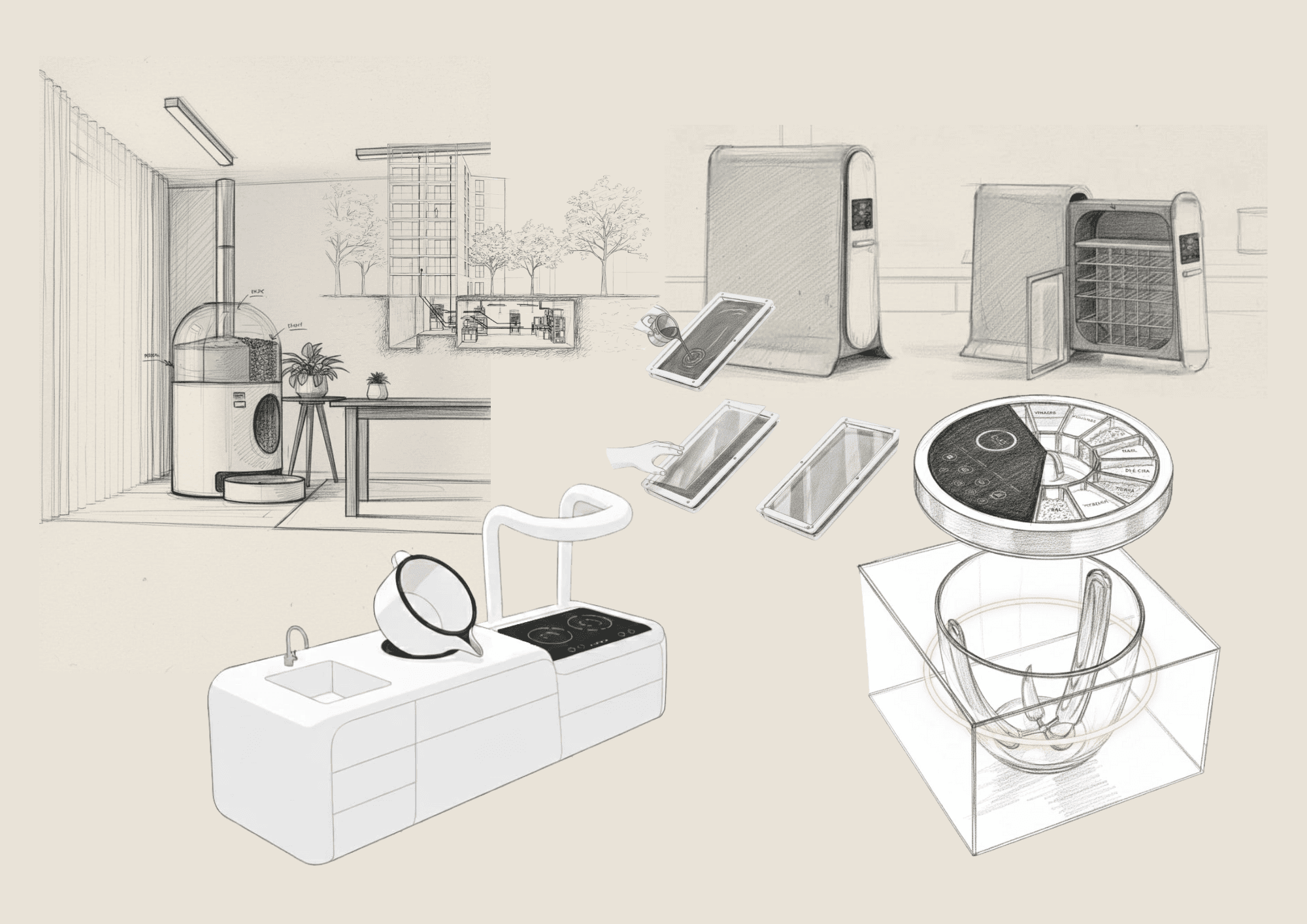
Search for alternatives
Alternative #1
Community industry
Alternative #2
Shared industry
Alternative #3
Industry at home
Final proposal